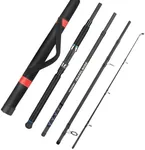
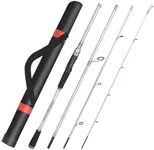
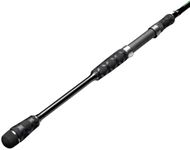
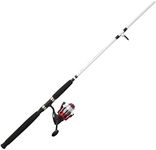
Buying Guide for the Best Berkley Fishing Rods
Choosing the right fishing rod can greatly enhance your fishing experience. The right rod will depend on the type of fishing you plan to do, the species you are targeting, and your personal preferences. Understanding the key specifications of fishing rods will help you make an informed decision and ensure you get the best fit for your needs.Rod LengthRod length is the measurement from the rod's tip to the butt. It affects casting distance, accuracy, and the leverage you have when fighting a fish. Shorter rods (under 6 feet) are ideal for close-quarters fishing and provide better control, while longer rods (over 7 feet) allow for longer casts and are better for open waters. Choose a length based on where you'll be fishing and the type of fish you're targeting.
Rod PowerRod power refers to the rod's resistance to bending under load, often categorized as light, medium, or heavy. Light power rods are suitable for smaller fish and lighter lures, while heavy power rods are designed for larger fish and heavier lures. Medium power rods offer a balance and are versatile for various fishing situations. Consider the size of the fish and the type of lures you plan to use when selecting rod power.
Rod ActionRod action describes how much and where a rod bends when pressure is applied. Fast action rods bend mostly near the tip, providing quick hook sets and sensitivity, making them ideal for single-hook lures. Medium action rods bend from the middle, offering a balance of sensitivity and casting distance, suitable for a variety of lures. Slow action rods bend throughout the length, providing more flexibility and are great for casting light lures and fighting small fish. Choose the action based on your fishing style and the lures you use.
MaterialFishing rods are typically made from graphite, fiberglass, or a composite of both. Graphite rods are lightweight, sensitive, and provide good performance, making them ideal for detecting bites. Fiberglass rods are more durable and flexible, suitable for beginners and those targeting larger fish. Composite rods offer a balance of sensitivity and durability. Consider your experience level and the type of fishing you plan to do when choosing the material.
Handle TypeThe handle type affects comfort and grip. Handles are usually made from cork, EVA foam, or a combination of both. Cork handles are lightweight, comfortable, and provide a good grip, even when wet. EVA foam handles are durable, easy to clean, and offer a firm grip. Some rods feature split-grip handles, which reduce weight and improve balance. Choose a handle type that feels comfortable in your hand and suits your fishing style.
Line and Lure WeightEach rod is designed to handle a specific range of line and lure weights, which is usually indicated on the rod. Using the correct line and lure weight ensures optimal performance and prevents damage to the rod. Lighter lines and lures are suitable for smaller fish and finesse techniques, while heavier lines and lures are needed for larger fish and power fishing. Match the rod's specifications with the type of fishing you plan to do.