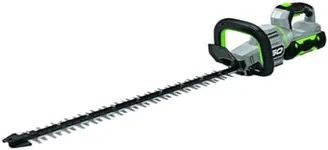
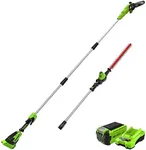
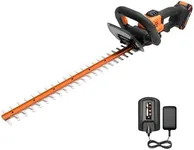
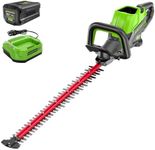
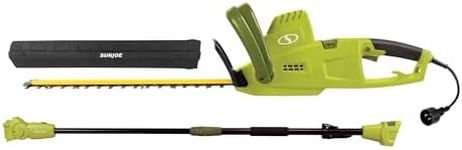
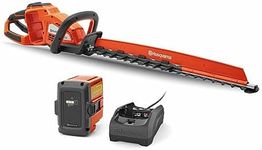
Buying Guide for the Best Battery Hedge Trimmers
Choosing the right battery hedge trimmer can make your gardening tasks much easier and more efficient. When selecting a hedge trimmer, it's important to consider various specifications that will determine how well the tool meets your needs. Understanding these key specs will help you make an informed decision and ensure you get the best fit for your gardening requirements.Battery VoltageBattery voltage indicates the power output of the hedge trimmer. Higher voltage typically means more power, which can be useful for cutting through thicker branches and tougher hedges. Battery voltages usually range from 18V to 80V. For light trimming and maintenance of small hedges, a lower voltage (18V-24V) may be sufficient. For medium to large hedges or more demanding tasks, a higher voltage (36V-80V) will provide the necessary power.
Battery Capacity (Ah)Battery capacity, measured in ampere-hours (Ah), determines how long the hedge trimmer can run on a single charge. A higher Ah rating means longer runtime. Battery capacities typically range from 2.0Ah to 5.0Ah or more. If you have a small garden or only need to trim occasionally, a lower capacity battery (2.0Ah-2.5Ah) may be adequate. For larger gardens or more frequent use, a higher capacity battery (4.0Ah-5.0Ah) will ensure you can complete your tasks without frequent recharging.
Blade LengthBlade length affects the reach and efficiency of the hedge trimmer. Longer blades can cover more area in a single pass, making them ideal for large hedges. Blade lengths typically range from 16 inches to 30 inches. For small to medium-sized hedges, a blade length of 16-22 inches should be sufficient. For larger hedges or extensive trimming, a blade length of 24-30 inches will help you work more efficiently.
Blade GapBlade gap refers to the distance between the teeth on the blade and determines the maximum branch thickness the trimmer can cut. Blade gaps usually range from 0.5 inches to 1.5 inches. For light trimming and thin branches, a smaller blade gap (0.5-0.75 inches) is suitable. For thicker branches and more robust hedges, a larger blade gap (1.0-1.5 inches) will be necessary to handle the tougher material.
WeightThe weight of the hedge trimmer affects how easy it is to handle and maneuver. Lighter trimmers are easier to use for extended periods and reduce fatigue. Hedge trimmer weights can range from 5 pounds to over 10 pounds. If you have a lot of trimming to do or need to work for long periods, a lighter trimmer (5-7 pounds) will be more comfortable. For shorter tasks or if you need more power, a heavier trimmer (8-10+ pounds) may be acceptable.
ErgonomicsErgonomics refers to the design and comfort of the hedge trimmer. Features like adjustable handles, soft grips, and balanced weight distribution can make the trimmer more comfortable to use. Good ergonomics are important to reduce strain and improve control. Look for trimmers with features that enhance comfort and usability, especially if you plan to use the tool for extended periods.
Noise LevelNoise level is an important consideration, especially if you live in a neighborhood with noise restrictions or prefer a quieter tool. Battery hedge trimmers are generally quieter than gas-powered models, but noise levels can still vary. Look for trimmers with lower decibel (dB) ratings if noise is a concern. Quieter trimmers are typically rated around 85 dB or lower.
Safety FeaturesSafety features are crucial to prevent accidents and injuries while using the hedge trimmer. Common safety features include dual-switch operation, blade guards, and automatic shut-off. Dual-switch operation requires both hands to be on the trimmer to operate, reducing the risk of accidental activation. Blade guards protect your hands from the sharp blades, and automatic shut-off stops the trimmer if it is dropped or not in use. Prioritize trimmers with these safety features to ensure safe operation.