Buying Guide for the Best Basketball Sneakers For Ankle Support
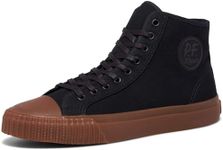
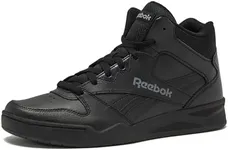
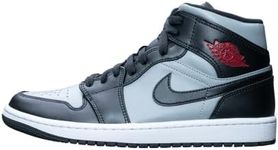
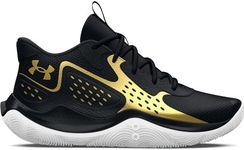
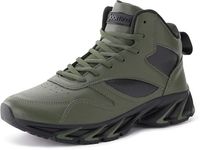
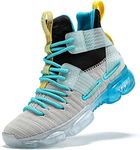
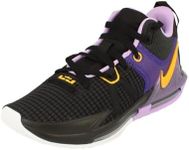
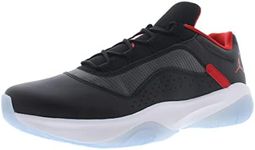
Choosing the right basketball sneakers is crucial for both performance and injury prevention, especially when it comes to ankle support. The right pair of sneakers can help you move more confidently on the court, reduce the risk of injuries, and enhance your overall game. When selecting basketball sneakers for ankle support, it's important to consider several key specifications that will ensure you get the best fit and functionality for your needs.Ankle Collar HeightThe ankle collar height refers to how high the sneaker extends up your ankle. This is important because higher collars generally provide more support and stability, which can help prevent ankle sprains. Sneakers with high collars are ideal for players who have a history of ankle injuries or those who play positions that require a lot of lateral movement. Mid-collar sneakers offer a balance between support and mobility, making them suitable for versatile players. Low-collar sneakers provide the least ankle support but are lighter and allow for greater freedom of movement, which can be beneficial for guards and players who rely on speed and agility.
CushioningCushioning in basketball sneakers is designed to absorb impact and provide comfort during play. This is important for protecting your feet and ankles from the repetitive stress of running and jumping. There are different types of cushioning materials, such as foam, gel, and air units. Heavier players or those who play on hard courts may benefit from more cushioning to reduce the impact on their joints. Lighter players or those who prefer a more responsive feel might opt for less cushioning to maintain a better court feel and quicker movements.
Fit and Lacing SystemThe fit and lacing system of a basketball sneaker ensure that your foot is securely locked in place, which is crucial for ankle support. A snug fit prevents your foot from sliding inside the shoe, reducing the risk of ankle injuries. Look for sneakers with a customizable lacing system that allows you to adjust the tightness around your ankle. Some sneakers also feature additional straps or lockdown systems for enhanced support. When trying on sneakers, make sure there is no excessive movement inside the shoe and that the lacing system provides a secure, comfortable fit.
Outsole TractionThe outsole traction refers to the grip the sneaker provides on the court surface. Good traction is important for making quick cuts, stops, and directional changes without slipping, which can help prevent ankle injuries. Outsoles with herringbone or multidirectional patterns typically offer better grip. Consider the type of court you play on most frequently; indoor courts may require different traction patterns compared to outdoor courts. Choose a sneaker with an outsole that provides reliable traction for your playing environment to enhance stability and support.
Material and DurabilityThe material and durability of the sneaker affect its overall support and longevity. High-quality materials like leather, synthetic blends, and mesh can provide a good balance of support, breathability, and durability. Durable sneakers are important for players who play frequently or in intense conditions, as they will maintain their support and structure over time. Consider your playing frequency and conditions when choosing the material; if you play often, opt for more durable materials to ensure your sneakers provide consistent support.