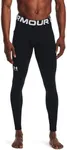
Buying Guide for the Best Base Layer Bottoms
When it comes to choosing base-layer bottoms, it's essential to understand that these garments are the foundation of your layering system. They are designed to keep you warm, dry, and comfortable by managing moisture and providing insulation. The right base-layer bottoms can make a significant difference in your overall comfort, especially during outdoor activities or in cold weather. To make an informed decision, consider the following key specifications and how they align with your needs.MaterialThe material of base-layer bottoms is crucial because it affects moisture-wicking, insulation, and comfort. Common materials include synthetic fabrics like polyester and natural fibers like merino wool. Synthetic fabrics are excellent at wicking moisture away from the skin and drying quickly, making them ideal for high-intensity activities. Merino wool, on the other hand, offers excellent insulation, is naturally odor-resistant, and can regulate temperature well, making it suitable for a range of activities and conditions. Choose synthetic materials for high-energy activities and merino wool for versatile use and comfort.
WeightBase-layer bottoms come in different weights: lightweight, midweight, and heavyweight. Lightweight options are best for high-intensity activities or milder conditions as they provide minimal insulation but excellent moisture management. Midweight base layers offer a balance of warmth and moisture-wicking, making them suitable for a variety of conditions and activities. Heavyweight base layers provide maximum insulation and are ideal for very cold conditions or low-intensity activities. Select the weight based on the intensity of your activity and the weather conditions you expect to encounter.
FitThe fit of base-layer bottoms is important for both comfort and performance. A snug fit ensures that the fabric can effectively wick moisture away from your skin and provide insulation. However, it should not be so tight that it restricts movement or causes discomfort. Look for a fit that is close to the body but still allows for a full range of motion. Consider your activity level and personal comfort preferences when choosing the fit.
SeamsSeams can impact the comfort and durability of base-layer bottoms. Flatlock seams are designed to lie flat against the skin, reducing the risk of chafing and irritation, which is especially important during high-movement activities. Additionally, fewer seams generally mean less potential for discomfort. When selecting base-layer bottoms, look for those with flatlock seams or seamless construction to ensure maximum comfort.
Odor ControlOdor control is a valuable feature in base-layer bottoms, especially for extended wear or multi-day activities. Some materials, like merino wool, naturally resist odors, while synthetic fabrics may be treated with antimicrobial treatments to prevent the growth of odor-causing bacteria. If you plan to wear your base-layer bottoms for long periods without washing, consider options with good odor control properties to stay fresh and comfortable.