Buying Guide for the Best Backup Generators
Choosing the right backup generator is crucial to ensure you have a reliable power source during outages. Backup generators come in various sizes and types, and selecting the right one depends on your specific needs and circumstances. Here are some key specifications to consider when picking a backup generator, along with explanations to help you make an informed decision.Power Output (Wattage)Power output, measured in watts, indicates how much electricity the generator can produce. This is important because it determines what appliances and devices you can run simultaneously. Generators typically range from small units producing around 1,000 watts to large ones generating over 20,000 watts. To pick the right one, list the essential devices you need to power during an outage and add up their wattage requirements. Choose a generator that can handle this total wattage comfortably.
Fuel TypeBackup generators can run on various fuels, including gasoline, diesel, propane, and natural gas. The fuel type affects the generator's efficiency, cost, and availability. Gasoline is common and easy to find but has a shorter shelf life. Diesel is more efficient and has a longer shelf life but can be harder to find. Propane and natural gas are cleaner options and can be stored indefinitely, but they require a connection to a gas line or tank. Consider your access to fuel and storage options when choosing the fuel type.
Run TimeRun time refers to how long a generator can operate on a full tank of fuel. This is important for determining how often you'll need to refuel during an extended outage. Generators with longer run times are more convenient and require less frequent refueling. Run times can vary from a few hours to over 24 hours, depending on the generator's size and fuel efficiency. Choose a generator with a run time that matches your needs, especially if you expect long outages.
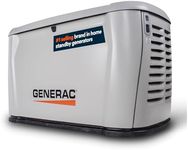
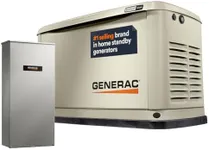
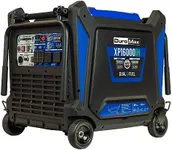
PortabilityPortability is the ease with which you can move the generator. Portable generators are smaller and can be moved around easily, making them suitable for temporary power needs or outdoor activities. Standby generators are larger, permanently installed units that automatically turn on during an outage. If you need a generator for home backup, a standby unit is ideal. For occasional use or outdoor events, a portable generator is more practical.
Noise LevelNoise level, measured in decibels (dB), indicates how loud the generator is during operation. This is important for comfort and compliance with local noise regulations. Generators can range from very quiet (around 50 dB) to quite loud (over 80 dB). If you plan to use the generator in a residential area or during camping, a quieter model is preferable. Consider the noise level and choose a generator that won't disturb you or your neighbors.
Start TypeStart type refers to how the generator is turned on. Options include manual start, electric start, and automatic start. Manual start requires pulling a cord, which can be physically demanding. Electric start uses a button or key, making it easier to operate. Automatic start is found in standby generators and activates automatically during a power outage. Choose a start type based on your convenience and physical ability. Automatic start is ideal for home backup, while electric start is suitable for ease of use.
Safety FeaturesSafety features are designed to protect both the generator and the user. Important safety features include overload protection, low-oil shutoff, and carbon monoxide detectors. Overload protection prevents the generator from being damaged by excessive power demand. Low-oil shutoff automatically turns off the generator when oil levels are too low, preventing engine damage. Carbon monoxide detectors alert you to dangerous levels of CO gas, ensuring safe operation. Choose a generator with robust safety features to ensure reliable and safe use.