Buying Guide for the Best Back Stretching Devices
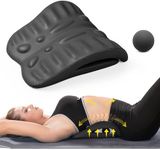
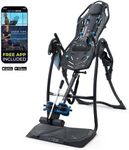
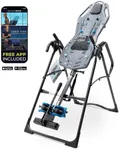
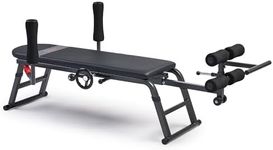
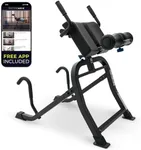
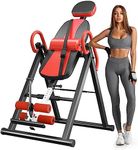
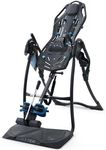
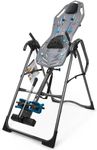
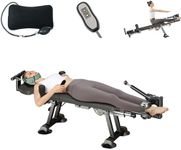
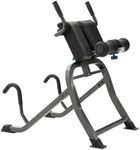
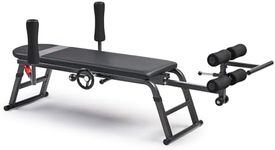
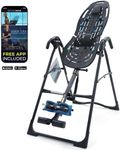
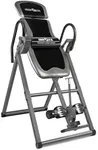
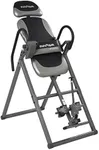
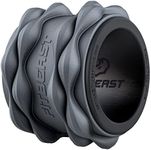
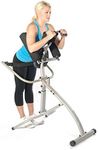
Back-stretching devices can be a great addition to your wellness routine, helping to alleviate back pain, improve posture, and increase flexibility. When choosing a back-stretching device, it's important to consider several key specifications to ensure you select the best fit for your needs. Understanding these specifications will help you make an informed decision and get the most benefit from your device.Type of DeviceBack-stretching devices come in various types, including inversion tables, lumbar stretchers, foam rollers, and stretching straps. The type of device is important because it determines how you will use it and what kind of stretching it provides. Inversion tables allow you to hang upside down to decompress the spine, which can be beneficial for severe back pain. Lumbar stretchers are designed to target the lower back and are often more portable. Foam rollers are versatile and can be used for a variety of stretches and muscle massages. Stretching straps are simple and effective for gentle stretching. Choose the type that aligns with your specific needs and comfort level.
AdjustabilityAdjustability refers to the ability to modify the device to fit your body size and stretching needs. This is important because a device that can be adjusted will provide a more personalized and effective stretch. For example, inversion tables often have adjustable height settings, while lumbar stretchers may have different levels of curvature. If you are looking for a device that can grow with your flexibility and provide varying levels of intensity, opt for one with multiple adjustable features.
Material and Build QualityThe material and build quality of a back-stretching device affect its durability, comfort, and safety. High-quality materials like sturdy metal frames for inversion tables or high-density foam for rollers ensure the device can withstand regular use and provide adequate support. Comfort is also crucial, especially for devices that require you to lie down or apply pressure to your back. Look for devices with padded surfaces or ergonomic designs to enhance your experience. Prioritize build quality to ensure the device is safe and long-lasting.
PortabilityPortability refers to how easy it is to move and store the device. This is important if you have limited space or plan to use the device in different locations. Smaller devices like foam rollers and stretching straps are highly portable and can be easily stored or taken on the go. Inversion tables and larger lumbar stretchers may be bulkier but often come with foldable designs for easier storage. Consider your space and lifestyle when choosing a device with the right level of portability.
Ease of UseEase of use is about how simple and intuitive the device is to operate. This is important because a device that is difficult to use may discourage you from using it regularly. Look for devices with clear instructions, minimal setup, and user-friendly features. For example, inversion tables should have easy-to-use locking mechanisms, while foam rollers should be straightforward to position and use. Choose a device that matches your comfort level with using fitness equipment to ensure you can use it effectively and consistently.
Targeted AreasDifferent back-stretching devices target different areas of the back. This is important because you want to ensure the device addresses your specific pain points or flexibility goals. Some devices are designed to target the lower back, while others may focus on the upper back or provide a full spinal stretch. Identify the areas where you need the most relief or improvement and choose a device that is designed to target those specific areas.