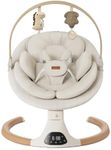
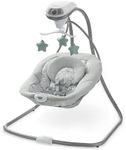
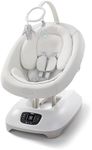
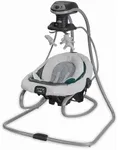
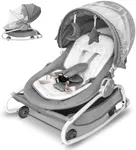
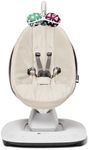
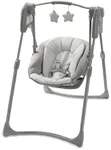
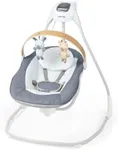
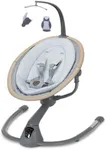
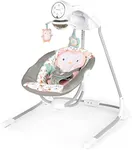
Buying Guide for the Best Baby Swings For Small Spaces
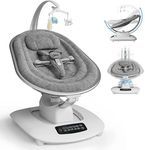
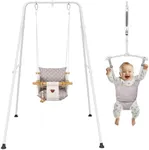
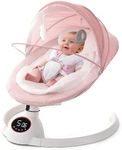
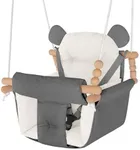
Choosing the right baby swing for small spaces can be a bit challenging, but with the right approach, you can find a product that fits your needs perfectly. Baby swings are designed to soothe and entertain your baby, but when space is limited, you need to consider several factors to ensure you get the best fit. Here are some key specifications to look at and how to navigate them to make the best choice for your situation.Size and DimensionsSize and dimensions are crucial when selecting a baby swing for small spaces. This spec refers to the physical footprint of the swing when it is set up. It's important because you need to ensure the swing fits comfortably in your available space without causing obstructions. To navigate this, measure the area where you plan to place the swing and compare it with the dimensions provided by the manufacturer. Look for compact models that are specifically designed for small spaces. If you have very limited space, consider a portable or foldable swing that can be easily stored when not in use.
Weight and PortabilityWeight and portability refer to how heavy the swing is and how easy it is to move around. This is important because a lighter, more portable swing can be easily relocated or stored away, which is ideal for small spaces. Swings can range from lightweight, portable models to heavier, more stationary ones. If you need to move the swing frequently or store it when not in use, opt for a lighter model with a handle or wheels for easy transport. If the swing will stay in one place, weight may be less of a concern.
Swinging Motions and Speed SettingsSwinging motions and speed settings refer to the different ways the swing can move and the various speeds it can operate at. This is important because different babies have different preferences for motion and speed, which can affect how soothing the swing is for them. Swings can offer side-to-side, front-to-back, or even circular motions, and they typically come with multiple speed settings. If your baby has a specific preference, look for a swing that offers that motion. If you're unsure, a swing with multiple motion options and adjustable speeds can provide flexibility to find what your baby likes best.
Power SourceThe power source refers to how the swing is powered, either by batteries, an AC adapter, or both. This is important because it affects the convenience and cost of operating the swing. Battery-powered swings offer portability and can be placed anywhere, but you'll need to replace or recharge batteries regularly. Swings with an AC adapter can be plugged into an outlet, which is more convenient for long-term use but limits where you can place the swing. If you need flexibility in placement, a swing that offers both power options might be the best choice.
Safety FeaturesSafety features include harnesses, non-slip bases, and sturdy construction. These are important because they ensure your baby is secure and reduce the risk of accidents. Swings typically come with a 3-point or 5-point harness to keep your baby safely strapped in. A non-slip base prevents the swing from moving around, and sturdy construction ensures the swing won't tip over. Always check for these safety features and make sure the swing meets safety standards. If you have a very active baby, a 5-point harness and a very stable base are particularly important.
Comfort and Entertainment FeaturesComfort and entertainment features include padded seats, recline options, and built-in toys or music. These are important because they can make the swing more enjoyable and soothing for your baby. Look for swings with well-padded, washable seats for comfort and hygiene. Recline options can help you find the most comfortable position for your baby, especially for younger infants. Built-in toys, mobiles, or music can keep your baby entertained. If your baby enjoys music or visual stimulation, these features can be a great addition.