Buying Guide for the Best Automotive AC Leak Detectors
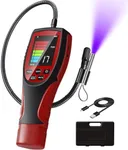
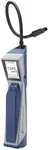
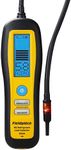
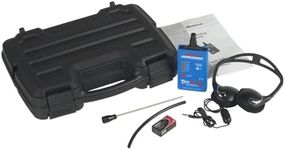
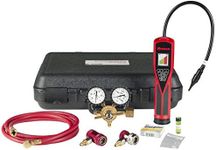
Choosing the right automotive AC leak detector is crucial for maintaining the efficiency and longevity of your vehicle's air conditioning system. A good leak detector will help you identify and fix leaks quickly, preventing further damage and ensuring your AC system runs smoothly. When selecting an AC leak detector, consider the following key specifications to find the best fit for your needs.Detection MethodThe detection method refers to how the leak detector identifies leaks in the AC system. Common methods include electronic, UV dye, and ultrasonic. Electronic detectors use sensors to detect refrigerant gases, UV dye detectors require adding a dye to the system and using a UV light to spot leaks, and ultrasonic detectors listen for the sound of escaping gas. Choose a method based on your comfort level and the type of leaks you expect to encounter. Electronic detectors are generally more user-friendly, while UV dye and ultrasonic methods may require more experience.
SensitivitySensitivity indicates how small of a leak the detector can identify. Higher sensitivity means the detector can find smaller leaks. Sensitivity is usually measured in ounces per year (oz/yr) or grams per year (g/yr). For most users, a sensitivity of 0.25 oz/yr is sufficient, but if you need to find very small leaks, look for a detector with higher sensitivity. Consider your specific needs and the typical size of leaks in your AC system when choosing the right sensitivity level.
Response TimeResponse time is the speed at which the detector can identify a leak once it is in proximity. Faster response times allow for quicker diagnostics and repairs. Response times can vary from a few seconds to almost instant detection. If you need to diagnose leaks quickly, opt for a detector with a faster response time. This is particularly important for professional mechanics who need to work efficiently.
Battery LifeBattery life refers to how long the detector can operate on a single charge or set of batteries. Longer battery life means less frequent recharging or battery replacement, which is convenient for extended use. Battery life can range from a few hours to several days of continuous use. Consider how often you will use the detector and choose one with a battery life that matches your usage patterns. For occasional use, shorter battery life may be acceptable, but for frequent use, longer battery life is preferable.
Ease of UseEase of use encompasses how simple and intuitive the detector is to operate. Features like ergonomic design, clear displays, and straightforward controls contribute to ease of use. If you are a beginner, look for a detector with user-friendly features and clear instructions. More experienced users might prioritize advanced features over simplicity. Consider your level of expertise and how comfortable you are with using technical tools when selecting a detector.
DurabilityDurability refers to how well the detector can withstand regular use and potential drops or impacts. A durable detector is made from high-quality materials and has a robust design. If you plan to use the detector frequently or in a professional setting, durability is crucial. Look for detectors with good build quality and positive reviews regarding their longevity. For occasional use, durability might be less critical, but it is still an important factor to consider.