We Use CookiesWe use cookies to enhance the security, performance,
functionality and for analytical and promotional activities. By continuing to browse this site you
are agreeing to our privacy policy
Best Atmos Compatible Ceiling Speakers
From leading brands and best sellers available on the web.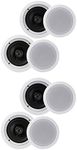

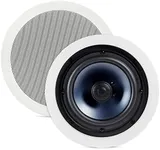
#2

Sonos
25%OFF
Sonos in-Ceiling Speakers 8"" by Sonance, White, INCL8WW1
View on Amazon
#3
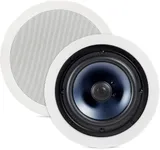
Polk Audio
Polk Audio RC60i 2-Way Premium in-Ceiling 6.5 Speakers, Round Indoor Speakers, Set of 2 Perfect for Damp and Humid Indoor Placement - Bath, Kitchen, Covered Porches (White, Paintable Grille)
View on Amazon
#4
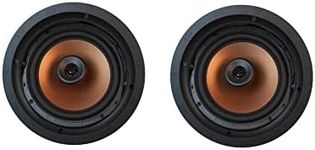
Klipsch
Klipsch CDT-5800-C II in-Ceiling Speaker - (Pair)
View on Amazon
#5
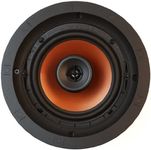
Klipsch
Klipsch CDT-3650-C II In-Ceiling Speaker - White (Each)
View on Amazon
Related Products
Up to 9% off
How do we rank products for you?
Our technology thoroughly searches through the online shopping world, reviewing hundreds of sites. We then process and analyze this information, updating in real-time to bring you the latest top-rated products. This way, you always get the best and most current options available.
Most Popular Categories Right Now


Buying Guide for the Best Atmos Compatible Ceiling Speakers
Choosing the right Atmos-compatible ceiling speakers can significantly enhance your home theater experience. These speakers are designed to provide immersive sound by projecting audio from above, creating a three-dimensional soundscape. To make an informed decision, it's important to understand the key specifications and how they align with your needs and preferences. Here are the main specs to consider when selecting Atmos-compatible ceiling speakers and how to navigate them.Speaker SizeSpeaker size refers to the diameter of the speaker cone and is typically measured in inches. Larger speakers (8-10 inches) can produce deeper bass and higher volume, making them suitable for larger rooms or if you prefer a more powerful sound. Smaller speakers (5-6.5 inches) are better for smaller rooms or if you want a more discreet installation. Consider the size of your room and your desired audio experience when choosing the speaker size.
Frequency ResponseFrequency response indicates the range of sounds a speaker can reproduce, measured in Hertz (Hz). A wider frequency range means the speaker can produce both very low (bass) and very high (treble) sounds. For Atmos-compatible ceiling speakers, look for a frequency response that covers at least 50 Hz to 20 kHz to ensure a full range of sound. If you enjoy rich bass, opt for speakers with a lower minimum frequency.
Power HandlingPower handling is the amount of power a speaker can handle, measured in watts (W). It includes both RMS (continuous power) and peak (maximum power) ratings. Higher power handling means the speaker can play louder without distortion. For a typical home theater setup, speakers with RMS ratings between 50-150 watts are usually sufficient. Match the power handling with your amplifier's output to avoid damaging the speakers.
SensitivitySensitivity measures how efficiently a speaker converts power into sound, expressed in decibels (dB). Higher sensitivity (above 90 dB) means the speaker can produce more sound from less power, making it more efficient. If you have a lower-powered amplifier, look for speakers with higher sensitivity to ensure adequate volume levels. For larger rooms or louder listening, higher sensitivity is beneficial.
ImpedanceImpedance is the resistance a speaker offers to the electrical current from the amplifier, measured in ohms (Ω). Common values are 4, 6, and 8 ohms. Most home audio systems are designed for 8-ohm speakers, which are easier to drive and compatible with most amplifiers. Ensure the impedance of your speakers matches your amplifier's specifications to avoid performance issues.
Installation and AdjustabilityInstallation and adjustability refer to how easy it is to install the speakers and adjust their direction. Some speakers come with adjustable tweeters or pivoting mounts, allowing you to direct the sound precisely where you want it. Consider your ceiling type and the ease of installation, especially if you plan to do it yourself. Adjustable speakers are ideal if you need to fine-tune the sound positioning for optimal Atmos effects.
Build Quality and MaterialsBuild quality and materials affect the durability and sound quality of the speakers. Look for speakers with robust construction and high-quality materials like Kevlar or polypropylene cones, which offer better performance and longevity. Good build quality ensures that the speakers can withstand the environment of a ceiling installation and provide consistent sound over time.