Buying Guide for the Best American Made Dehumidifiers
When choosing an American-made dehumidifier, it's important to consider several key specifications to ensure you select the best fit for your needs. Dehumidifiers help to reduce humidity levels in your home, which can prevent mold growth, reduce allergens, and improve overall air quality. By understanding the key specs, you can make an informed decision that will keep your living space comfortable and healthy.CapacityCapacity refers to the amount of moisture a dehumidifier can remove from the air in a 24-hour period, usually measured in pints. This spec is important because it determines how effective the dehumidifier will be in different room sizes and humidity levels. Small capacity units (20-30 pints) are suitable for small rooms or areas with mild humidity. Medium capacity units (30-50 pints) are ideal for medium-sized rooms or areas with moderate humidity. Large capacity units (50+ pints) are best for large rooms, basements, or areas with high humidity. To pick the right capacity, consider the size of the room and the level of humidity you need to control.
Energy EfficiencyEnergy efficiency indicates how much energy the dehumidifier uses to remove moisture from the air. This is important because a more energy-efficient unit will save you money on your electricity bills and is better for the environment. Look for dehumidifiers with an Energy Star rating, as these models meet strict energy efficiency guidelines set by the U.S. Environmental Protection Agency. To choose the right one, consider how often you will be using the dehumidifier and the potential energy savings over time.
Noise LevelNoise level refers to how loud the dehumidifier is when it is operating, usually measured in decibels (dB). This is important if you plan to use the dehumidifier in a living space or bedroom where noise could be disruptive. Dehumidifiers with lower noise levels (below 50 dB) are quieter and more suitable for these areas. Higher noise levels (above 50 dB) may be acceptable for basements or areas where noise is less of a concern. To pick the right noise level, consider where you will be placing the dehumidifier and your sensitivity to noise.
Tank Size and Drainage OptionsTank size refers to the capacity of the water collection tank in the dehumidifier, usually measured in pints. This is important because a larger tank will require less frequent emptying. Some dehumidifiers also offer continuous drainage options, allowing you to connect a hose for automatic water removal. Smaller tanks (under 10 pints) are suitable for occasional use or smaller spaces, while larger tanks (10+ pints) are better for continuous use or larger areas. To choose the right tank size and drainage option, consider how often you want to empty the tank and whether you have access to a drain for continuous drainage.
HumidistatA humidistat is a built-in device that measures and controls the humidity level in the room. This is important because it allows the dehumidifier to maintain a desired humidity level automatically, providing consistent comfort and preventing over-drying. Some models have adjustable humidistats, allowing you to set your preferred humidity level. To pick the right humidistat, consider whether you want precise control over the humidity level and the convenience of automatic operation.
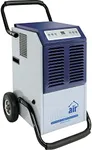
PortabilityPortability refers to how easy it is to move the dehumidifier from one location to another. This is important if you plan to use the dehumidifier in multiple rooms or need to store it when not in use. Features like caster wheels, handles, and a lightweight design can enhance portability. To choose the right portability features, consider how often you will need to move the dehumidifier and the ease of doing so.