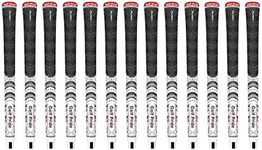
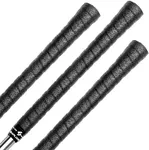
Buying Guide for the Best Align Grips
Choosing the right align grips for your needs can significantly enhance your comfort and performance, whether you're using them for golf, cycling, or any other activity that requires a firm and comfortable grip. The key is to understand the different specifications and how they align with your personal preferences and requirements. Here are some key specs to consider when selecting align grips and how to navigate them to find the best fit for you.MaterialThe material of the align grips is crucial as it affects the grip's feel, durability, and performance. Common materials include rubber, synthetic compounds, and leather. Rubber grips are generally more affordable and provide a good balance of comfort and durability. Synthetic compounds can offer enhanced grip and weather resistance, making them suitable for various conditions. Leather grips, while often more expensive, provide a premium feel and excellent durability. Choose a material that matches your comfort preference and the conditions in which you'll be using the grips.
TextureThe texture of the align grips determines how much traction and control you have. Smooth textures offer a softer feel but may not provide as much grip, especially in wet conditions. Medium textures strike a balance between comfort and grip, making them versatile for different activities. Rough textures provide maximum grip and control, ideal for high-intensity activities or wet conditions. Consider the level of grip you need based on your activity and personal preference for comfort.
SizeThe size of the align grips is important for ensuring a comfortable and secure hold. Grips come in various sizes, typically ranging from standard to oversized. Standard grips are suitable for most users and provide a balanced feel. Midsize grips offer a slightly larger diameter, which can reduce hand fatigue and provide better control for those with larger hands. Oversized grips are ideal for individuals with very large hands or those who prefer a thicker grip for added comfort and control. Choose a size that fits your hand comfortably and allows you to maintain a secure grip without straining.
Alignment FeaturesAlignment features in grips help ensure that your hands are positioned correctly, which can improve your performance and reduce the risk of injury. These features can include raised ridges, markings, or ergonomic shapes that guide your hand placement. If you struggle with maintaining consistent hand positioning or want to improve your technique, grips with alignment features can be very beneficial. Evaluate your need for alignment assistance and choose grips that offer the right level of guidance for you.
DurabilityDurability is a key factor to consider, especially if you use your grips frequently or in harsh conditions. More durable grips will last longer and maintain their performance over time. Rubber and synthetic grips tend to be more durable and resistant to wear and tear, while leather grips, though durable, may require more maintenance. Consider how often you use your grips and the conditions they will be exposed to, and choose a material and construction that will provide the longevity you need.