Buying Guide for the Best Air Conditioning Thermostats
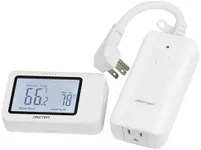
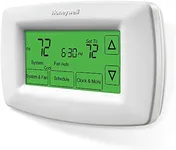
Choosing the right air-conditioning thermostat can significantly enhance your comfort and energy efficiency at home. A thermostat regulates the temperature by controlling your air conditioning system, ensuring that your home remains at a comfortable temperature. When selecting a thermostat, it's important to consider various features and specifications to find the best fit for your needs. Here are some key specifications to consider and how to navigate them.Programmable vs. Non-ProgrammableA programmable thermostat allows you to set different temperatures for different times of the day or week, which can help save energy and money by reducing the use of your air conditioning when it's not needed. Non-programmable thermostats, on the other hand, require manual adjustments. If you have a predictable schedule, a programmable thermostat can be very convenient. If your schedule is more irregular, a non-programmable thermostat might be simpler to use.
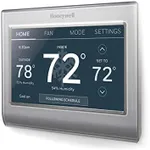
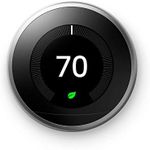
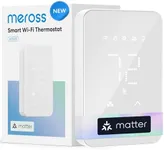
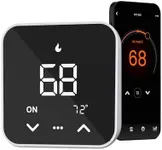
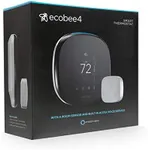
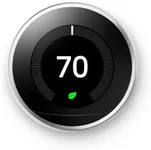
Smart ThermostatsSmart thermostats connect to your Wi-Fi and can be controlled remotely via a smartphone app. They often come with advanced features like learning your schedule, adjusting based on your habits, and integrating with other smart home devices. If you are tech-savvy and enjoy the convenience of controlling your home environment from anywhere, a smart thermostat could be a great choice. If you prefer a more straightforward approach, a basic programmable or non-programmable thermostat might be sufficient.
CompatibilityNot all thermostats are compatible with every HVAC system. It's crucial to check whether the thermostat you are considering works with your specific heating and cooling system. Compatibility can vary based on the type of system (e.g., central air, heat pump, etc.) and the voltage requirements. Make sure to verify this information to avoid any installation issues.
Ease of InstallationSome thermostats are designed for easy DIY installation, while others may require professional installation. If you are comfortable with basic electrical work, you might opt for a model that you can install yourself. If not, consider a thermostat that comes with professional installation services or is known for being user-friendly.
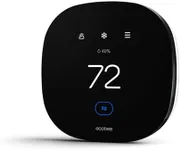
User InterfaceThe user interface of a thermostat can greatly affect your experience. Some thermostats have touchscreens, while others use buttons or dials. Consider how easy it is to read the display and navigate the settings. If you prefer a modern, intuitive interface, a touchscreen model might be appealing. If you prefer simplicity, a basic model with buttons might be more suitable.
Energy-Saving FeaturesMany thermostats come with energy-saving features such as eco modes, energy usage reports, and reminders to change air filters. These features can help you reduce your energy consumption and lower your utility bills. If energy efficiency is a priority for you, look for a thermostat with these capabilities.
Zoning CapabilitiesZoning allows you to control the temperature in different areas or 'zones' of your home independently. This can be particularly useful in larger homes where different areas may have different heating and cooling needs. If you have a multi-story home or areas that are used infrequently, a thermostat with zoning capabilities can provide more precise control and comfort.