Buying Guide for the Best Adjustable Torque Wrenches
Choosing the right adjustable torque wrench is crucial for ensuring that you can apply the correct amount of torque to fasteners, which is essential for both safety and performance in various applications. Whether you're working on automotive repairs, machinery, or any other project that requires precise torque application, understanding the key specifications of torque wrenches will help you make an informed decision. Here are the key specs to consider and how to choose the best fit for your needs.Torque RangeThe torque range of a wrench indicates the minimum and maximum torque it can apply, usually measured in Newton-meters (Nm) or foot-pounds (ft-lbs). This spec is important because it determines the versatility of the wrench. For light-duty tasks, a lower torque range (e.g., 5-25 Nm) is sufficient, while heavy-duty applications may require a higher range (e.g., 50-250 Nm). Choose a torque wrench with a range that covers the torque specifications of the fasteners you commonly work with.
AccuracyAccuracy refers to how close the torque wrench's readings are to the actual applied torque, typically expressed as a percentage (e.g., ±3%). High accuracy is crucial for precision work to ensure that fasteners are neither under-tightened nor over-tightened. For most applications, an accuracy of ±4% is acceptable, but for critical tasks, look for wrenches with higher accuracy (e.g., ±2%). Consider the level of precision required for your projects when selecting a torque wrench.
Drive SizeThe drive size is the size of the square drive that connects the wrench to the socket, commonly available in 1/4-inch, 3/8-inch, 1/2-inch, and 3/4-inch sizes. This spec is important because it determines the compatibility with different socket sizes. Smaller drive sizes (1/4-inch, 3/8-inch) are suitable for lighter tasks and tighter spaces, while larger drive sizes (1/2-inch, 3/4-inch) are better for heavy-duty applications. Choose a drive size that matches the sockets you use most frequently.
LengthThe length of a torque wrench affects the leverage you can apply. Longer wrenches provide more leverage, making it easier to apply higher torque with less effort. However, they can be cumbersome in tight spaces. Shorter wrenches are more compact and easier to maneuver but require more effort to achieve higher torque. Consider the typical working environment and the amount of torque you need to apply when choosing the length of your torque wrench.
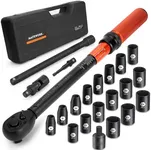
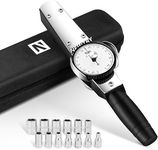
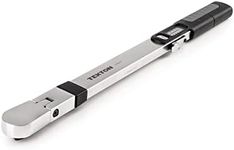
Type of Torque WrenchThere are several types of torque wrenches, including click-type, beam-type, digital, and dial-type. Click-type wrenches are popular for their ease of use and audible click when the set torque is reached. Beam-type wrenches are simple and durable but require visual monitoring. Digital wrenches offer high precision and easy-to-read displays but are more expensive. Dial-type wrenches provide high accuracy and are often used in professional settings. Choose the type that best suits your preference for ease of use, accuracy, and budget.
Material and Build QualityThe material and build quality of a torque wrench affect its durability and longevity. High-quality materials like chrome-vanadium steel offer strength and resistance to wear and corrosion. A well-built torque wrench will last longer and maintain its accuracy over time. Consider the frequency and intensity of use when evaluating the build quality. For professional or heavy-duty use, invest in a torque wrench with superior materials and construction.
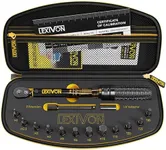
CalibrationCalibration ensures that the torque wrench provides accurate readings. Over time, wrenches can lose their calibration due to regular use. Some wrenches come with a certificate of calibration, and it's important to recalibrate them periodically, especially for critical applications. Check if the manufacturer provides calibration services or if the wrench can be easily recalibrated. Regular calibration is essential for maintaining the accuracy and reliability of your torque wrench.