Buying Guide for the Best 9-Inch Band Saws
When choosing a 9-inch band saw, it's important to consider several key specifications to ensure you select the best tool for your needs. A band saw is a versatile tool used for cutting various materials, and understanding the different features will help you make an informed decision. Here are the key specs to consider and how to navigate them.Motor PowerMotor power, measured in amps or horsepower, determines the cutting capability of the band saw. A more powerful motor can handle tougher materials and thicker cuts. For light woodworking or hobby projects, a motor with lower power (around 1/3 to 1/2 HP) may suffice. For more demanding tasks or frequent use, look for a motor with higher power (1 HP or more). Consider the types of materials and the thickness you plan to cut to choose the right motor power for your needs.
Cutting CapacityCutting capacity refers to the maximum width and height of the material that the band saw can cut. The throat capacity (distance from the blade to the vertical frame) determines the width, while the resaw capacity (distance from the table to the upper blade guide) determines the height. For general woodworking, a throat capacity of 9 inches and a resaw capacity of 3 to 6 inches is usually sufficient. If you plan to work with larger pieces or need to resaw thick lumber, look for a band saw with greater cutting capacity.
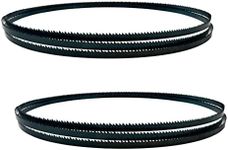
Blade Size and TypeThe blade size and type are crucial for the performance of the band saw. Blade length, width, and tooth configuration affect the quality and speed of the cut. A 9-inch band saw typically uses blades around 59-1/2 inches in length. For general use, a blade width of 1/4 to 3/8 inches is common. Different tooth configurations (such as skip tooth, hook tooth, or regular tooth) are suited for different materials and cuts. Choose a blade type based on the material you will be cutting most often and the desired finish.
Table Size and TiltThe table size and tilt capability of a band saw affect the ease of handling and precision of cuts. A larger table provides better support for larger workpieces, while a tilting table allows for angled cuts. For most hobbyist and light woodworking tasks, a table size of around 12 x 12 inches is adequate. Look for a table that can tilt up to 45 degrees for versatility in making bevel cuts. Consider the size of the materials you will be working with and whether you need to make angled cuts frequently.
Frame ConstructionThe frame construction of a band saw impacts its stability and durability. Frames are typically made from steel or cast iron. Steel frames are lighter and more portable, while cast iron frames offer greater stability and vibration reduction. For occasional use or if you need to move the saw frequently, a steel frame may be sufficient. For more precise and heavy-duty work, a cast iron frame is preferable. Assess your workspace and the type of projects you will be undertaking to choose the right frame construction.
Dust CollectionDust collection is an important feature for maintaining a clean and safe workspace. Many band saws come with a dust port that can be connected to a vacuum or dust collection system. A dust port size of 2 to 4 inches is common. If you plan to use the band saw frequently or work with materials that produce a lot of dust, ensure the saw has an effective dust collection system. This will help keep your work area clean and reduce the risk of respiratory issues.