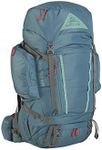
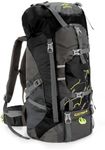
Buying Guide for the Best 60L Travel Backpacks
Choosing the right travel backpack is crucial for ensuring comfort and convenience during your trips. A 60-liter travel backpack is a versatile option that can accommodate a variety of travel needs, from weekend getaways to extended adventures. When selecting a backpack, consider the key specifications that will impact your experience, such as size, material, comfort features, and organizational options. Understanding these specs will help you make an informed decision and find the best fit for your travel style.Size and CapacityThe size and capacity of a backpack determine how much you can carry. A 60-liter backpack is generally suitable for trips ranging from a few days to a week or more, depending on how efficiently you pack. If you tend to pack light, this size can be perfect for longer trips. Conversely, if you need to carry a lot of gear, it might be ideal for shorter excursions. Consider your packing habits and the duration of your trips when choosing the right capacity.
MaterialThe material of a backpack affects its durability, weight, and weather resistance. Common materials include nylon, polyester, and canvas. Nylon is lightweight and durable, making it a popular choice for travel backpacks. Polyester is also durable but can be heavier. Canvas is sturdy but heavier and less water-resistant. If you plan to travel in wet conditions, look for backpacks with water-resistant or waterproof materials. Your travel environment and the type of activities you engage in will guide your choice of material.
Comfort FeaturesComfort features such as padded shoulder straps, hip belts, and back panels are essential for reducing strain and ensuring a comfortable carry. Padded shoulder straps distribute weight evenly, while hip belts help transfer weight to your hips, reducing pressure on your shoulders. Back panels with ventilation can prevent sweating and discomfort. If you plan to carry your backpack for extended periods, prioritize comfort features to avoid fatigue and injury.
Organizational OptionsOrganizational options like compartments, pockets, and attachment points help keep your gear organized and easily accessible. Look for backpacks with multiple compartments to separate clothing, electronics, and other essentials. External pockets are useful for items you need to access quickly, such as water bottles or snacks. Attachment points can be handy for carrying extra gear like sleeping bags or trekking poles. Consider your packing style and the types of items you carry to determine the best organizational features for your needs.
WeightThe weight of the backpack itself can impact your overall load. Lightweight backpacks are easier to carry and can help you stay within airline weight limits. However, lighter materials may compromise durability. If you need a sturdy backpack for rugged adventures, you might opt for a slightly heavier model. Balance the need for durability with the importance of keeping your load manageable, especially if you plan to carry your backpack for long distances.
Fit and AdjustabilityA backpack that fits well and can be adjusted to your body size is crucial for comfort. Look for backpacks with adjustable shoulder straps, hip belts, and chest straps to customize the fit. Some backpacks come in different sizes to accommodate various torso lengths. A proper fit ensures that the backpack sits comfortably on your back and distributes weight evenly. Try on different models and adjust the straps to find the best fit for your body type.