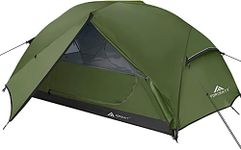
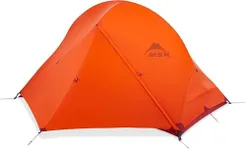
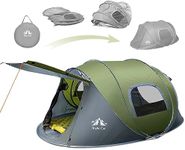
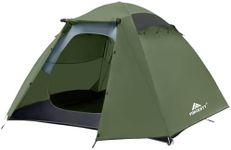
Buying Guide for the Best 4 Season Tents
Choosing the right 4-season tent is crucial for ensuring comfort and safety during your outdoor adventures, especially in harsh weather conditions. A 4-season tent is designed to withstand extreme weather, including heavy snow, strong winds, and cold temperatures. When selecting a tent, consider the environment you'll be camping in, the number of people it needs to accommodate, and the specific features that will best suit your needs. Here are some key specifications to consider when choosing a 4-season tent.MaterialThe material of a 4-season tent is important because it determines the tent's durability and ability to withstand harsh weather conditions. Common materials include nylon and polyester, often with a waterproof coating. Nylon is lightweight and strong, while polyester is more resistant to UV damage. For extreme conditions, look for tents with reinforced fabrics and high-denier ratings. If you plan to camp in snowy or windy environments, prioritize tents with robust materials that offer excellent protection.
WeightWeight is a critical factor, especially if you plan to carry the tent on long hikes or backpacking trips. 4-season tents tend to be heavier due to their sturdier construction and additional features. Lightweight tents are easier to carry but may compromise on durability and weather resistance. Heavier tents offer better protection and stability but can be cumbersome to transport. Consider your mode of travel and the distance you'll cover to find a balance between weight and durability that suits your needs.
CapacityCapacity refers to the number of people the tent can comfortably accommodate. 4-season tents come in various sizes, from solo tents to larger models that can fit multiple people. If you're camping alone or with one other person, a smaller tent will be lighter and easier to set up. For group camping, ensure the tent has enough space for everyone and their gear. Consider the interior space and layout to ensure comfort during extended stays in harsh weather.
VentilationVentilation is crucial in a 4-season tent to prevent condensation buildup, which can lead to dampness and discomfort. Look for tents with multiple vents, mesh panels, and windows that can be opened for airflow. Good ventilation helps regulate temperature and keeps the interior dry. If you plan to camp in cold weather, ensure the tent has adjustable vents that can be closed to retain warmth while still allowing some airflow.
Weather ResistanceWeather resistance includes the tent's ability to withstand wind, rain, snow, and cold temperatures. Features like a strong frame, reinforced seams, and a high waterproof rating are essential. Look for tents with a sturdy pole structure, preferably made of aluminum or carbon fiber, which can handle strong winds and heavy snow loads. A high waterproof rating ensures the tent will keep you dry during rainstorms. If you expect extreme weather, prioritize tents with superior weather resistance features.
Ease of SetupEase of setup is important, especially in challenging weather conditions. A tent that is quick and straightforward to pitch can save time and reduce stress. Look for tents with color-coded poles, simple clip systems, and clear instructions. If you often camp in windy or snowy environments, choose a tent that can be set up quickly and securely. Practice setting up the tent before your trip to ensure you can do it efficiently when needed.