Buying Guide for the Best 24-Inch Chainsaws
Choosing the right 24-inch chainsaw can make a significant difference in your cutting tasks, whether you're a professional logger or a homeowner tackling heavy-duty yard work. A 24-inch chainsaw is a powerful tool designed for larger jobs, so it's important to understand the key specifications to ensure you select the best fit for your needs. Here are the main specs to consider and how to navigate them.Engine PowerEngine power, measured in cubic centimeters (cc) or horsepower (hp), determines the chainsaw's cutting ability and efficiency. Higher engine power means more cutting strength, which is crucial for handling large trees and tough wood. For heavy-duty tasks, look for chainsaws with higher engine power, typically above 50cc. For moderate use, a chainsaw with 40-50cc might suffice. Consider your typical cutting tasks to decide the right engine power for you.
WeightThe weight of a chainsaw affects its maneuverability and the user's fatigue level. Heavier chainsaws can be more challenging to handle, especially for extended periods. Chainsaws in the 24-inch category can weigh between 12 to 20 pounds or more. If you need to use the chainsaw for long durations or in difficult positions, opt for a lighter model. However, if you prioritize power over comfort, a heavier chainsaw might be acceptable.
Bar LengthThe bar length, in this case, 24 inches, determines the maximum diameter of wood the chainsaw can cut in a single pass. A 24-inch bar is suitable for large trees and thick logs. If your tasks involve cutting large timber or felling big trees, a 24-inch bar is appropriate. For smaller tasks, a shorter bar might be more practical and easier to handle.
Chain SpeedChain speed, measured in feet per second (fps) or meters per second (m/s), affects how quickly the chainsaw can cut through wood. Higher chain speeds result in faster cutting, which is beneficial for efficiency and productivity. For professional use or large projects, look for chainsaws with higher chain speeds. For occasional or lighter use, a moderate chain speed will be sufficient.
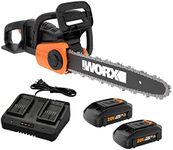
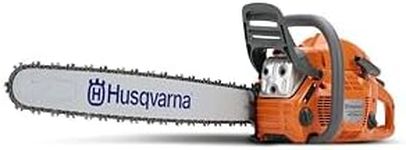
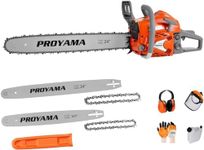
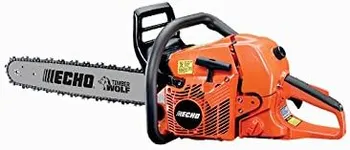
Fuel TypeChainsaws can be powered by gasoline, electricity, or batteries. Gasoline-powered chainsaws offer the most power and are ideal for heavy-duty tasks and remote locations without access to electricity. Electric chainsaws are quieter and require less maintenance but need a power source. Battery-powered chainsaws offer mobility and are suitable for lighter tasks. Choose the fuel type based on your power needs and the convenience of use.
Safety FeaturesSafety features such as chain brakes, anti-vibration systems, and automatic oilers are crucial for preventing accidents and ensuring comfortable use. Chain brakes stop the chain instantly in case of kickback, while anti-vibration systems reduce user fatigue. Automatic oilers keep the chain lubricated, reducing wear and tear. Prioritize chainsaws with robust safety features, especially if you are a beginner or plan to use the chainsaw frequently.
Ease of MaintenanceRegular maintenance is essential for the longevity and performance of your chainsaw. Features like tool-less chain tensioning, easy access to the air filter, and a transparent fuel tank can simplify maintenance tasks. Choose a chainsaw that offers user-friendly maintenance features to save time and effort in keeping your tool in optimal condition.